Learn
Nutrition
Guidelines
Nutrition is vital for growth and development of our bodies.
There are six classes of nutrients our bodies need. They are:
- Protein
- Carbohydrates
- Fats
- Vitamins
- Minerals
- Water
Nutrient Roles
Each nutrient serves a vital role in our diet. It is important we choose foods that provide the essential nutrients. The primary function of each nutrient is as follows:
- Protein – Builds and repairs all cells and tissues. Essential for growth and development
- Carbohydrates – Main source of energy, fiber for healthy digestion
- Fats – Stored energy, stores fat-soluble vitamins (ADEK), insulates body organs
- Vitamins – Essential for growth and development, boosts immune system
- Minerals – Involved in chemical processes of the body, promotes strong bones and teeth
- Water – Transports nutrients, hydrates, prevents constipation, flushes toxins
This is only a short list of the many functions nutrients provide.
Food Sources
In what foods can you get these nutrients?
- Proteins: meat, diary, beans, legumes, nuts, seafood, and eggs
- Carbohydrates: pasta, rice, cereals, breads, potatoes, milk, fruit, sugar
- Fats: oils, butter, margarine, nuts, seeds, avocados, olives, meats, and seafoods
- Vitamins: a variety of foods such as fruits, vegetables, breads, grains, dairy, eggs, and fish oil
- Minerals, such as sodium, calcium, iron, iodine, and magnesium: all foods contain some form of minerals here are some examples
- calcium and magnesium: milk and dairy products
- iron and zinc: red meat
- iodine: seafood and vegetables
- Water: beverages, vegetables, and fruits
Portions
Variety
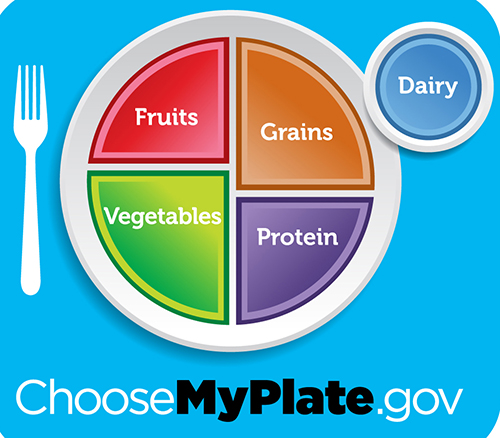
We get nutrients from eating a variety of foods and following dietary guidelines. MyPlate is a visual guide of the food groups and the recommended portion each should make up in our diet.
Tips
Find your healthy eating style and maintain it for a lifetime. This means:
- Make half your plate fruits and vegetables.
- Make half your grains whole grains.
- Move to low-fat and fat-free milk or yogurt.
- Vary your protein routine.
- Drink and eat less sodium, saturated fat, and added sugars.
Portion Control
Did you know your closed fist is about a cup? A cup is a recommended serving size for many foods. Read TeensHealth: How Much Food Should I Eat? to learn more about portion control and serving size.

USDA Guidelines
The USDA Dietary Guidelines 2015-2020 list the recommendations for following a healthy diet. These guidelines are revised every five years by the U.S. Department of Agriculture (USDA) and Health and Human Services (HHS).
- Follow a healthy eating pattern across the lifespan. All food and beverage choices matter. Choose a healthy eating pattern at an appropriate calorie level to help achieve and maintain a healthy body weight, support nutrient adequacy, and reduce risk for chronic disease.
- Focus on variety, nutrient density, and amount. To meet nutrient needs within calorie limits, choose a variety of nutrient-dense foods across and within all food groups in recommended amounts.
- Limit calories from added sugars and saturated fats and reduce sodium intake. Consume an eating pattern low in added sugars, saturated fats, and sodium. Cut back on foods and beverages higher in these components to amounts that fit within healthy eating patterns.
- Shift to healthier food and beverage choices. Choose nutrient-dense foods and beverages across and within all food groups in place of less healthy choices. Consider cultural and personal preferences to make these shifts easier to accomplish and maintain.
- Support healthy eating patterns for all. Everyone has a role in helping to create and support healthy eating patterns in multiple settings nationwide, from home to school to work to communities.
Barriers
Healthy Eating Barriers
It is not always easy to get the nutritious foods we need. Many times there are barriers (obstacles that block an action) that prevent us from eating as healthily as we should. Some barriers could be:
- What is available such as vending machine snacks.
- Money or transportation.
- Motivation to eat healthier foods.
- Family influence.
Possible Solutions
Think about barriers that you may need to overcome to get the essential nutrients in your diet. Pack a healthier snack or lunch for school to avoid purchasing processed snacks from vending machines. Do the same to prevent eating fast food often during busy days when there is no time for meals at home. School lunches meet dietary recommendations and offer inexpensive, reduced or free lunch programs.
Your family and culture also have influence your eating habits. Encourage your family to try a variety of healthier foods. The CDC states that fewer than 1 in 10 adults and adolescents eat enough fruits and vegetables. Keep a bowl of fruit available to cut down on high calories processed snacks. Follow MyPlate tips for healthier snacks and meals at home.
Consequences
Obesity
There are many health consequences of poor eating behaviors. Many of the leading causes of death in our country are diet-related.
Being overweight or obese, which is defined as 30% or more body fat, puts a person at a greater risk for heart disease, diabetes and some types of cancer. Lifestyle habits of eating a healthy diet, participating in regular physical activity, and sleep can help prevent many diet related health issues.
Look at the list of health concerns associated with being overweight:
- high blood pressure
- high cholesterol
- increased chance of asthma
- joint and muscle problems
- diabetes
- breathing problems when sleeping
- depression and low self-esteem
People who are overweight or obese are at an increased risk of type 2 diabetes. We will look more closely at this in the next lesson.
Let's look at some other health problems associated with poor eating habits.
Heart Disease and Stroke
Heart disease and stroke are among the leading causes of death in our country. High-sodium and high-fat diets are primary factors. Nine in 10 Americans consume too much salt which causes high blood pressure. The recommended amount is less than 2300 mg, which is a little less than a teaspoon a day.
Cancer
An unhealthy diet can increase the risk for some cancers. There are 13 types of cancer associated with being overweight or obese. These cancers make up 40% of all cancers diagnosed. Breast cancer and colon cancer are among these.
Other Issues
Eating disorders are actually emotional disorders where diet and body image become the focus.
Food allergies occur when a particular food triggers an allergic reaction from the immune system. Peanuts and shellfish are two foods that are associated with food allergies.
Food intolerances cause digestive system problems such as nausea, bloating or indigestion. Dairy products and gluten (a protein in grains particularly wheat) are common foods that some people do not tolerate well.
You
Good News
The good news is you can set goals and make small changes every day to practice healthy eating behaviors. Doing this can prevent or delay diet-related diseases.
According to the US Department of Agriculture, “Everything you eat and drink over time matters. The right mix can help you be healthier now and in the future. Start with small changes to make healthier choices you can enjoy.”
Not only does good nutrition promote growth and development of the body, it makes us feel good and provides energy we need for daily activities. There are health consequences for not following the guidelines for a nutritious diet. Eating a balanced diet should be a high priority as you grow and develop through your teenage years.